
How is Solar Energy Used in Industries and its Impact

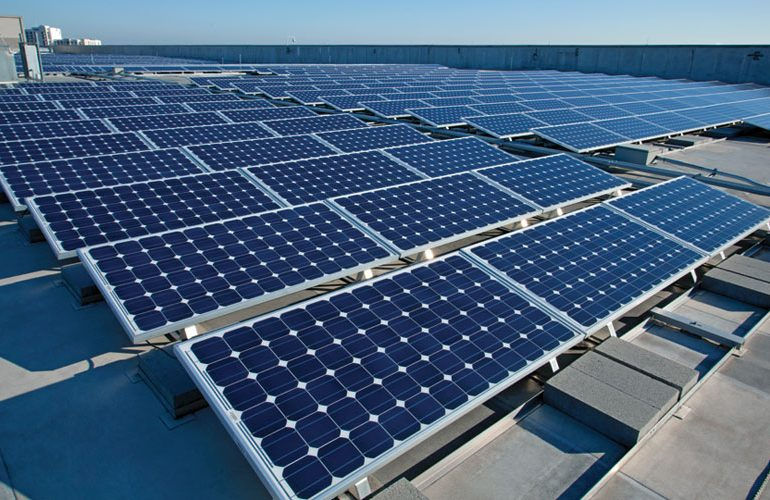
Industries use solar energy primarily through Photovoltaics (PV) for electricity (powering lights, machinery, HVAC) and Solar Thermal for heat (steam, hot water, drying, high-temp chemical processes). Solar provides cost savings, grid independence, and sustainability by reducing fossil fuel reliance for diverse applications like food processing, manufacturing, agriculture, and mining, often by supplementing grid power with rooftop or ground-mounted panels.
Key Applications
Electricity Generation (PV):
· Powering factories, warehouses, and large facilities.
· Running machinery, production lines, lighting, and air conditioning.
· Charging electric vehicles for logistics.
· Used for on-site "self-consumption" to lower grid dependence.
Industrial Process Heat (Solar Thermal):
· Low-Temperature (<100°C): Hot water, pasteurization, sterilization, cleaning, and drying.
· Medium-Temperature (100-400°C): Preheating, food processing, dairy, textiles, and chemical reactions.
· High-Temperature (>400°C): Mineral processing, cement, steel, and enhanced oil recovery.
How It Works
· Photovoltaic (PV) Systems: Panels convert sunlight directly into DC electricity, which is then converted to AC for use, reducing reliance on grid power.
· Concentrating Solar-Thermal Power (CSP): Mirrors focus sunlight to heat a fluid, producing high temperatures for process heat or to drive turbines for electricity.
Benefits for Industries
· Cost Reduction: Stabilizes energy expenses, hedges against price volatility, and lowers operating costs.
· Sustainability: Reduces carbon footprints and supports green manufacturing goals.
· Energy Security: Decreases dependence on fossil fuels and grid instability.
Key Impacts on Industrial Operations:
· Cost Reduction: Dramatically lowers electricity bills, reduces peak demand charges, and provides long-term financial predictability, saving industries significant money over the system's lifespan.
· Energy Resilience & Independence: Decreases reliance on external power grids, minimizing downtime from outages and market volatility; battery storage enhances this security.
· Sustainability & Brand Value: Reduces carbon emissions, aligns with ESG goals, and improves public perception, attracting customers and investors.
· Operational Efficiency: Provides a stable power source, enabling better planning, while hybrid systems with smart tech optimize energy use.
· Financial Incentives: Access to government tax credits, rebates, and accelerated depreciation can improve return on investment (ROI).
· Utilization of Space: Large rooftops and unused land in industrial settings are ideal for large-scale solar panel installations.
Applications:
· Photovoltaic (PV) Systems: Solar panels convert sunlight directly into electricity for powering facilities.
· Solar Thermal: Concentrating mirrors focus sunlight to generate high heat for industrial processes like food processing, chemical production, and desalination.
Overall Transformation:
Solar energy shifts industries from being mere consumers to energy producers, making them more competitive, sustainable, and financially secure by providing a cost-effective, clean, and reliable energy alternative.
For More:


Comments