
How Does Renewable Energy contribute to the Economy and its Impact on Sustainable Development

Renewable energy fuels economic growth by creating millions of jobs in manufacturing, installation, and maintenance, with 16.2 million jobs created globally by 2024. It drives down energy costs, as over 90% of new projects are cheaper than fossil fuel alternatives. Additionally, it increases energy independence, boosts local economies through infrastructure investment, and reduces long-term costs associated with climate change.
Key Economic Contributions:
· Job Creation: The clean energy sector employs nearly 35 million people worldwide, often creating three times as many jobs per dollar invested compared to fossil fuels.
· Lower Costs & Price Stability: Renewable energy technologies are becoming the most affordable power source, lowering utility bills for consumers and reducing reliance on volatile, imported fuel prices.
· Infrastructure Investment: Investment in solar, wind, and smart grids drives economic activity, with over $2.1 trillion invested in low-carbon energy in 2024.
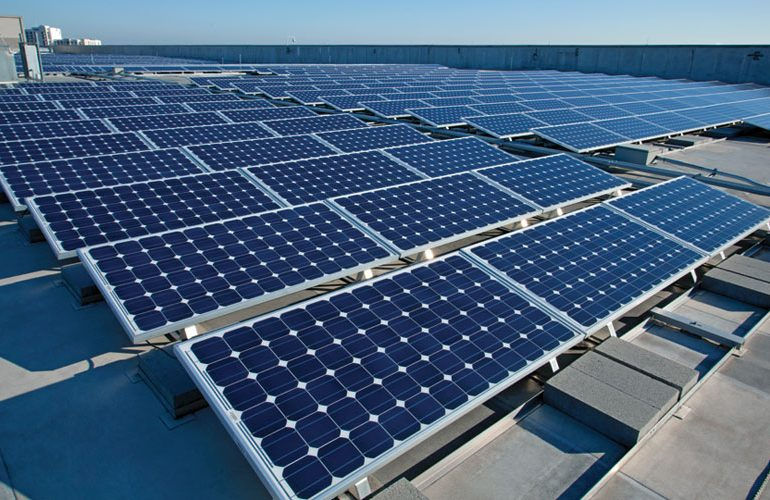
· Energy Independence: Localized, distributed energy sources (like solar panels) reduce reliance on foreign fuel imports, strengthening national economic resilience.
· Rural Economic Development: Renewable energy projects provide new income streams for landowners through land leases for wind and solar farms.
· Improved Health Outcomes: A transition to clean energy reduces pollution-related healthcare costs, freeing up capital for other economic activities.
The Role of Renewable Energy in Sustainable Development
Using renewable energy is a highly effective, and arguably the most impactful, way for manufacturing businesses to contribute to sustainable development by directly slashing carbon emissions, reducing dependence on fossil fuels, and improving long-term cost stability. It aligns with global sustainability goals, enhances brand reputation, and improves operational resilience against energy price volatility.
Key Reasons Why Renewable Energy is a Top Contributor:
· Carbon Emission Reduction: Manufacturing is a major energy consumer; switching to solar, wind, or biomass directly reduces greenhouse gas emissions.
· Economic Efficiency: While requiring initial investment, renewable sources often provide lower, more stable operating costs over time.
· Energy Security: On-site generation (e.g., rooftop solar) or sourcing renewable energy reduces reliance on fluctuating fossil fuel markets.
· Comprehensive Impact: It supports cleaner air, creates local green jobs, and fulfills Environmental, Social, and Governance (ESG) criteria.
While energy efficiency (e.g., LED lighting, optimized equipment) and waste reduction (recyclable materials) are also crucial, transitioning to renewable energy represents the most significant shift toward sustainable manufacturing.


Comments