
Future Profitability of Wind Energy Projects in Pakistan: The Case of Reon Energy

Introduction
The global transition toward decarbonization has accelerated investments in renewable energy technologies worldwide. Pakistan is no exception, as rising electricity costs, energy security concerns, and climate change commitments have encouraged businesses and policymakers to explore sustainable energy alternatives. Among the available renewable energy sources, wind energy has emerged as a promising solution due to Pakistan’s favorable wind corridors, particularly in Sindh and Balochistan. The Gharo-Jhimpir wind corridor alone possesses an estimated wind generation potential of approximately 55,000 MW, making Pakistan one of the most promising wind energy markets in South Asia.
Reon Energy, a leading renewable energy company, has played a significant role in Pakistan’s clean energy transition by developing large-scale renewable energy solutions for industrial and commercial customers. While Reon initially focused on solar energy, the company has increasingly integrated wind power and battery energy storage systems into its portfolio to create intelligent renewable energy microgrids. Although wind energy projects offer significant long-term economic and environmental benefits, their future profitability depends on market demand, technology costs, policy support, competition from solar energy, and macroeconomic factors.
Profitability of Wind Energy Projects in Pakistan
Pakistan’s renewable energy sector has experienced substantial growth over the past decade due to increasing electricity tariffs and growing industrial demand for cost-effective energy solutions. Wind energy has become particularly attractive because it provides clean electricity while reducing dependence on imported fossil fuels. Industrial sectors such as cement, textiles, and manufacturing have increasingly adopted renewable energy solutions to improve energy security and lower operational costs.
Reon Energy has been at the forefront of this transition by providing integrated renewable energy solutions that combine solar, wind, and battery storage technologies. The company has successfully implemented large-scale renewable energy projects for major industrial clients across Pakistan, helping businesses reduce energy costs and carbon emissions.
The profitability of wind energy projects in Pakistan has improved due to declining equipment costs, improved turbine technology, and increased demand for sustainable energy. However, profitability growth may fluctuate depending on project financing costs, regulatory changes, and grid infrastructure limitations. Large-scale investments require significant upfront capital, which can temporarily reduce short-term returns while creating substantial long-term value.
Impact of Falling Solar Energy Prices on Wind Energy Profitability
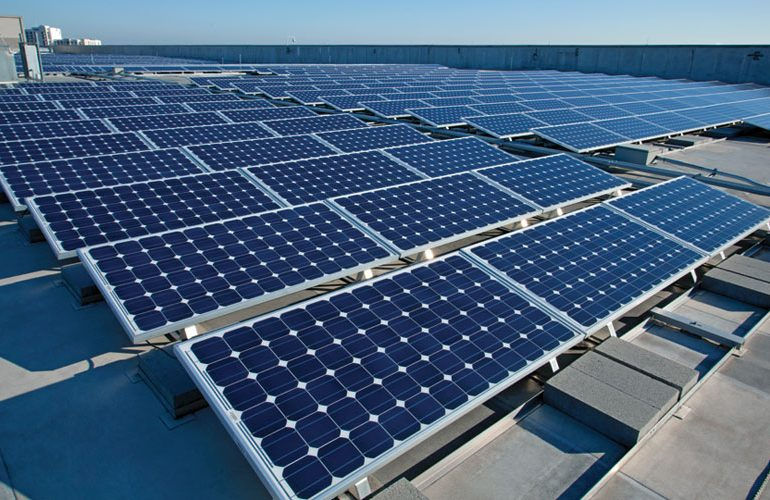
One of the most significant challenges facing wind energy projects in Pakistan is the rapid decline in solar energy costs. Pakistan has experienced a remarkable solar boom in recent years, with imported solar capacity reaching unprecedented levels and widespread adoption across residential, commercial, and industrial sectors.
The declining cost of solar photovoltaic systems has intensified competition within the renewable energy market. Many industrial consumers view solar energy as a faster and more economical investment because of lower installation costs and shorter project development timelines. Consequently, wind energy projects may face slower adoption rates in certain market segments.
However, Reon Energy has strategically addressed this challenge by combining wind energy with solar power and battery energy storage systems. Rather than viewing solar as a direct competitor, Reon integrates multiple renewable energy sources to maximize reliability and optimize energy generation. The company’s advanced energy management solutions allow industrial customers to benefit from the complementary nature of solar and wind resources.
Impact of Investment Costs on Future Profitability
Although wind energy provides long-term economic benefits, the initial investment required for project development remains substantial. Wind farms require significant expenditures on turbines, civil works, transmission infrastructure, and maintenance systems. These costs can affect profitability during the early stages of project implementation.
Despite these challenges, Pakistan's growing commitment to renewable energy and the increasing participation of private-sector investors continue to strengthen the outlook for wind energy projects. Reon Energy recently signed a strategic partnership with SANY Renewable Energy to jointly develop 150 MW of wind energy projects for Pakistan’s commercial and industrial sectors, demonstrating strong confidence in the future of wind power within the country.
Furthermore, industrial customers are increasingly seeking energy independence due to rising grid electricity prices and concerns regarding supply reliability. This trend creates favorable conditions for future investments in wind energy infrastructure.
Role of Battery Energy Storage in Enhancing Profitability
One of the major challenges associated with renewable energy sources is intermittency. Wind and solar generation fluctuate depending on weather conditions, which can affect energy reliability. To address this issue, Reon Energy has invested heavily in battery energy storage technologies that improve renewable energy utilization and system stability.
A notable example is Reon’s deployment of a 20.7 MW solar project integrated with a 22.7 MWh battery energy storage system for Lucky Cement. The project combines solar, wind, and storage technologies to maximize renewable energy usage while reducing operational costs and emissions.
Battery storage solutions enhance the profitability of wind energy projects by storing excess generation during periods of high production and supplying electricity during peak demand periods. As battery prices continue to decline globally, the economic viability of wind-plus-storage projects is expected to improve significantly.
Impact of COVID-19 on Wind Energy Profitability
Like many industries worldwide, Pakistan’s renewable energy sector faced challenges during the COVID-19 pandemic. Travel restrictions, supply chain disruptions, and currency depreciation delayed project implementation and increased equipment costs. These disruptions affected project timelines and reduced short-term profitability.
However, the pandemic also highlighted the importance of energy resilience and accelerated interest in decentralized renewable energy systems. As economic activity recovered, demand for reliable and affordable energy solutions increased, creating new opportunities for renewable energy developers such as Reon Energy.
Judging Future Profitability from Historical Performance
Historical performance indicates strong long-term prospects for wind energy in Pakistan. The successful operation of existing wind farms and the increasing adoption of renewable energy by major industrial consumers demonstrate the commercial viability of the sector. Reon Energy’s track record in delivering large-scale renewable energy projects further supports confidence in future profitability.
Pakistan’s industrial sector continues to pursue renewable energy solutions to mitigate rising energy costs and achieve sustainability objectives. The integration of wind, solar, and battery storage technologies is expected to increase renewable energy penetration while improving energy affordability and reliability. Recent partnerships and investments by Reon Energy suggest that demand for wind energy solutions will continue to grow over the coming years.
Conclusion
The future profitability of wind energy projects in Pakistan remains promising despite several challenges. Rising electricity costs, increasing demand for clean energy, and favorable wind resources create strong market opportunities for renewable energy developers. Although falling solar prices and high upfront investment costs may slow growth in certain segments, integrated renewable energy solutions combining wind, solar, and battery storage offer significant long-term advantages.
Reon Energy has positioned itself as a leading player in Pakistan’s renewable energy transition by developing innovative energy solutions that improve affordability, reliability, and sustainability. Through strategic investments in wind power, battery energy storage, and intelligent energy management systems, the company is well-positioned to capitalize on Pakistan’s growing renewable energy market. As industrial demand for clean and reliable electricity continues to increase, wind energy projects developed by Reon Energy are expected to generate substantial economic and environmental value in the years ahead.


Comments