
Benefits of Solar Energy in Pakistan - A Future Perspective

Solar energy in Pakistan offers a sustainable solution to chronic energy shortages, high electricity costs, and environmental degradation, with a target of 60% renewables by 2030. Key benefits include reduced, stable electricity bills, energy independence via net-metering, and significant job creation in the booming solar installation sector.
Key Benefits of Solar Energy in Pakistan
Cost Savings & Economic Relief: With solar panels cutting or eliminating power bills, they provide immense relief from rising tariffs. The, solar module demand in Pakistan is rising rapidly, expected to grow to between 6.5 and 8 GW by 2024.
Energy Security & Independence: Solar reduces dependence on costly imported fossil fuels, providing a reliable alternative to the national grid and mitigating power outages.
Environmental Sustainability: As a clean, renewable energy source, solar helps combat smog and reduce carbon emissions.
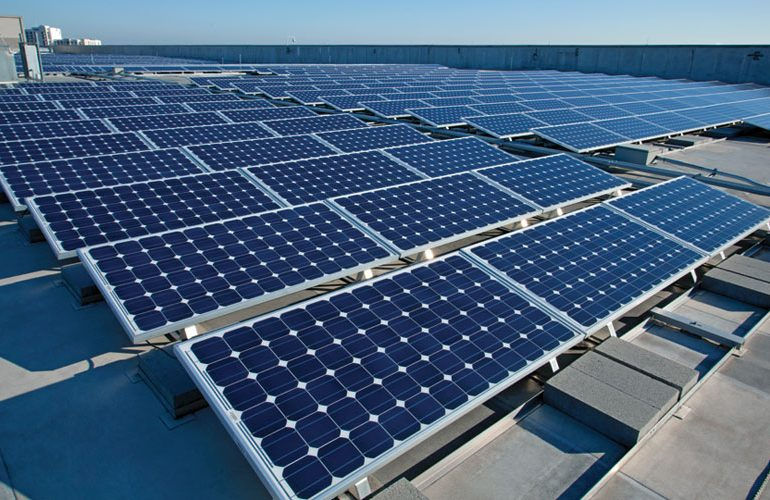
Accessible Infrastructure: Rooftop solar systems allow individuals and businesses to generate their own power, reducing pressure on the national grid.
Job Creation & Investment: The growing solar sector creates jobs in manufacturing, installation, and maintenance.
Key Future Trends and Perspectives
Rapid Capacity Growth: Driven by a 127% year-on-year surge in PV modules import in 2024, Pakistan is becoming a major global solar market.
Decentralized Power: Future infrastructure will likely favor a distributed network (rooftop solar + storage) over massive centralized plants, increasing resilience against grid failures.
Industrial Adoption: Commercial and industrial sectors are increasingly adopting solar to combat high energy costs, with payback periods often under three years.
Key Challenges: Future success relies on upgrading grid infrastructure to handle variable supply, implementing favorable net-metering policies, and improving energy storage solutions (like lithium-ion batteries).
Economic Impact: Solar adoption is expected to significantly reduce dependence on imported fuel, saving billions in foreign exchange, according to World Bank reports.
As awareness and accessibility increase, the shift toward cleaner, cheaper, and sustainable solar energy is set to redefine Pakistan's energy landscape over the next decade. With ample, sunshine (5 to 7 kWh/m²/day), Pakistan is positioned to become a regional leader in solar energy, transforming its power landscape, says the PAEA.
Solar energy represents a transformative opportunity for Pakistan to address energy shortages, reduce electricity costs, and promote environmental sustainability while strengthening economic growth. With abundant solar resources, rapid market expansion, and increasing adoption across residential, commercial, and industrial sectors, solar power can enhance energy security and reduce dependence on imported fuels.
By supporting favorable policies, upgrading grid infrastructure, and investing in storage technologies, Pakistan can fully unlock the potential of solar energy and move toward a resilient, affordable, and sustainable energy future.


Comments